
Avon Previous Residents Sources
The historic trail at an Avon address has separate sources for land, household, and family events. The Auditor connects an address to a Property Number, owner, and location. The Recorder preserves deeds and other instruments. The Records Retention Center holds the older Auditor Tax Duplicate microfilm. LPLS adds directory, newspaper, obituary, and census routes. Each source answers a narrower question, and no one of them establishes all prior occupants.
Begin with the parcel when the address is current or reasonably clear. Move to title and tax records for ownership. Use historical directories, census, notices, and probate only after the place and time are anchored. This order prevents an address match or a familiar surname from being mistaken for proof that someone lived there.
| Source | Years It Covers | Where Held | What It Shows |
|---|---|---|---|
| Auditor Tax Duplicate microfilm | 1824 onward | Lorain County Records Retention Center | Assessed and tax ownership leads, useful for house dating |
| Recorder county records | County records from 1824; online cutoff not verified | Lorain County Recorder and Property Search | Recorded instruments and legal-description chain |
| LPLS Lorain directories | Lorain holdings from 1903; Avon completeness not verified | Main Library Special Collection | Name, address, and phone leads, not a complete Avon run |
| Federal census resources | Library database 1790-1940; local film through 1930 | LPLS and in-library Ancestry Library Edition | A dated household snapshot |
| Newspaper microfilm | Times-Herald 1901-1932; Journal 1922 onward | LPLS | Notices, obituaries, and address context |
County records reach back to 1824, but the Recorder does not publish a complete early online image or index cutoff. An old online dead end is a reason to use the counter and microfilm route, not proof that no earlier transfer exists.
Avon Parcel Address Trail
Use the Lorain County Auditor Real Estate Search first. Its public landing screen accepts Parcel, Owner, or Address and returns Property Number, Owner, Location, Land Use, and Acres. Preserve the Property Number, also called the PPN, and the location exactly as returned. A listed owner establishes an ownership or tax-roll association with the parcel. It does not identify every person who lived there, and a tax-bill mailing address can differ from the parcel's physical location.
Open the detailed parcel record and note only fields actually displayed. The recorded legal description and PPN are more durable than an old postal address because subdivision, lot, township, and parcel language can hold the property trail together when a street description changes. The Lorain County legal-description guidance gives a PPN example with township, tract, original lot, block, and parcel segments. Avon Township is code 04, so a postal Avon address can need township and lot research on older records.
Keep the bridge fields. Record the PPN, legal description, location, owner name, and instrument reference before moving from the Auditor to the Recorder.
Avon Previous Residents Deed Trail
At the Recorder, create an account and start with the current owner's legal name or use Advanced Search with the parcel number after removing all dashes. Date search is also available. When a likely transfer appears, select Instrument and read the image for the parties, document number or book and page, recording date, legal description, and parcel reference. A deed records an ownership transaction. It does not create a household list.
The backward path is simple in concept but needs careful comparison. Start with today's owner as a grantee on the purchase deed, record the prior seller as grantor, then search that seller as an earlier grantee. Compare the legal description at every turn. Do not assume that a matching street address survived an annexation, a subdivision, or a historic change in local place naming.
- Search the Auditor by address and save the PPN, current owner, location, and any transfer clue displayed.
- Search the Recorder for the owner's purchase instrument by legal name, parcel without dashes, or a focused date.
- Open Instrument and copy the grantor, grantee, recording date, legal description, and document or book-page reference.
- Search the recorded seller as an earlier grantee, then compare the legal description before accepting the next link.
- When the online chain becomes incomplete, take the PPN, legal description, and owner names to the Recorder and Records Retention Center.
- Grantor
- The party transferring an interest in the recorded instrument.
- Grantee
- The party receiving that interest in the recorded instrument.
- Chain of title
- The documented sequence of transfers for the same property, checked by legal description rather than name alone.
- Legal description
- The recorded land description that identifies the parcel through lot, subdivision, tract, or other legal terms. It is not a mailing address.
The Lorain County Recorder provides the office entry point for the property-search instructions and account route.
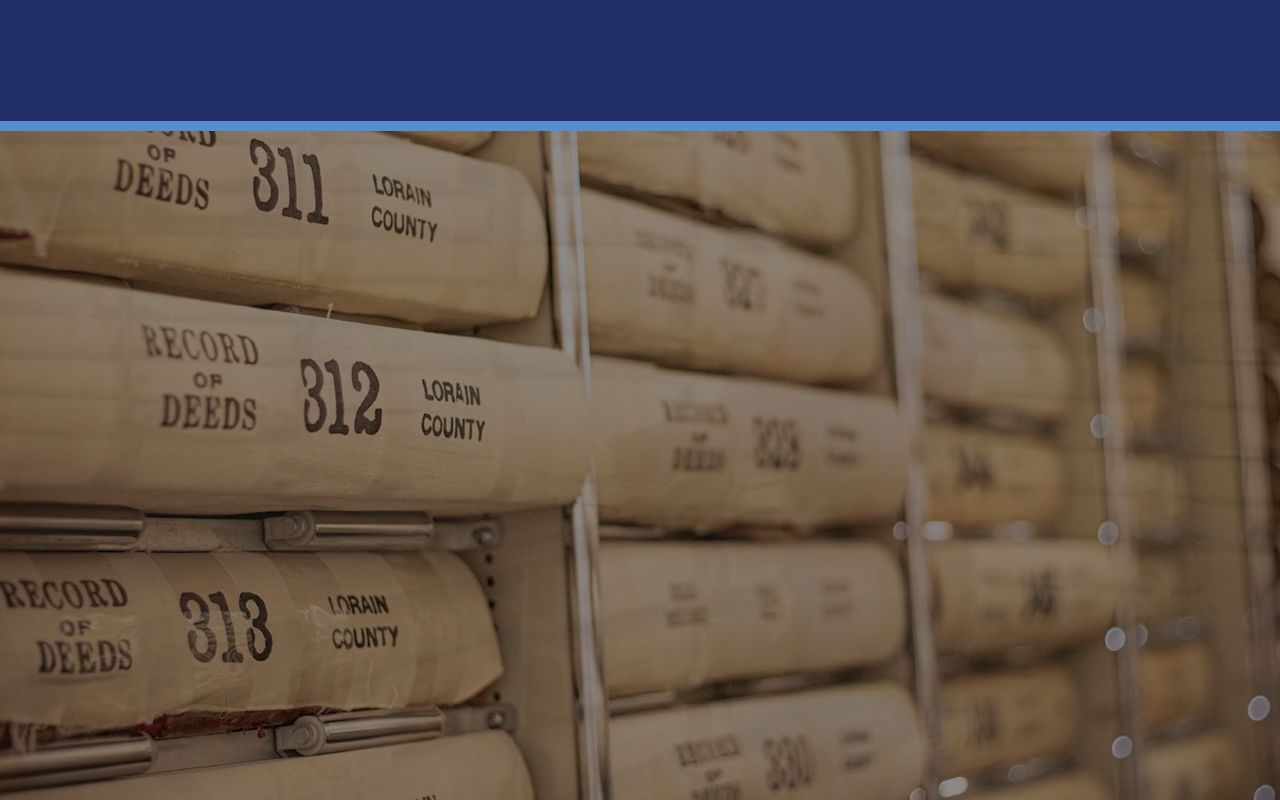
The office page supports the next stage of the chain, but the legal description and instrument image remain the material to read and preserve for each transfer.
Avon Previous Residents Tax Microfilm
The Lorain County Records Retention Center is the confirmed house-history backstop when a modern index is too new or a transfer needs earlier context. Its Auditor Tax Duplicate Records date to 1824 on microfilm. Bring the city, village, or township, address, parcel number, and an early owner name. That recipe is important because a vague street search alone may not locate the correct roll in a rural-to-suburban record trail.
The center is at 320 Gateway Boulevard N., first floor, Elyria, and its published weekday hours are 8 a.m. to 4:30 p.m. The phone is 440-326-4868. It holds inactive county records, but the originating office remains responsible for many record types and not every record is public. If an early deed, tax book, or other item is needed, ask which office keeps the original and how the named volume is accessed.
Review the Lorain County Records Retention Center information before gathering the house-history identifiers.
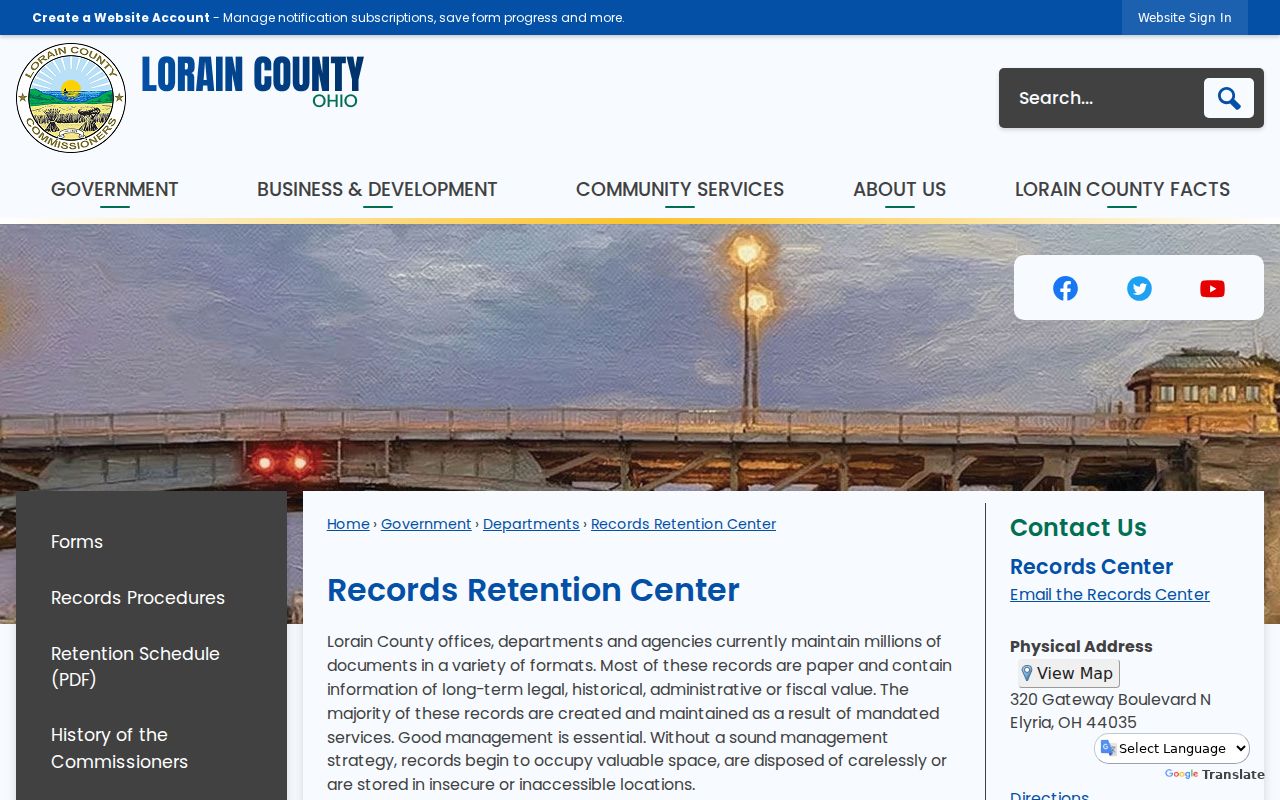
Tax duplicates can bridge ownership by year and help date a house, but they do not prove every resident or household member associated with that address.
Avon Previous Residents Household Test
Ownership is only half of an address history. LPLS says its directories generally contain voluntary name, address, and telephone listings, not a complete resident roll. The collection has Lorain directories from 1903, but Avon coverage is not verified as complete. The 1955 Elyria City Directory includes Avon; the 1959 title specifically excludes it. That single contrast makes a strong rule: check the exact title and year before using a nearby-city directory for an Avon household.
Once a directory has appropriate coverage, pair it with the nearest census and then with a deed or tax transition. The census is the household snapshot. A directory listing is a listing. A recorded transfer is an ownership event. Obituaries, cemetery material, newspapers, and probate can help explain an estate or a disappearing name, but each should be read as its own source.
- Anchor the address to the PPN and legal description from the parcel and deed trail.
- Select a directory whose title specifically covers Avon, Avon Township, or the relevant county geography in that year.
- Record the printed name, address, telephone number, and edition year without filling in unverified local entry conventions.
- Compare the closest census household and note whether the address, locality, and time fit the directory result.
- Use obituary, newspaper, cemetery, or probate material to test an estate or move only when dates and place details align.
The collection details belong with the Avon city directory resources; the address trail uses them as one household check rather than as proof of an uninterrupted local directory series.
Lawful house history. Use prior-resident research for personal, family, estate, or house-history questions. Do not use records to harass, stalk, or track a living person.
Avon Historic Map Check
Maps can test whether an old address belongs to the same parcel trail, but they do not replace the legal description. The City of Avon publishes street, overview, and ward maps. LPLS Special Collection materials include atlases and maps that can be compared with the parcel, subdivision or lot, and nearby road names saved from the deed. Use those records to spot a changed setting before joining an old postal address to a current property.
No publicly verified Avon Sanborn year run was located, so no Sanborn dates belong in an address timeline. When a map source is needed, check the City of Avon maps, LPLS, the Ohio History Connection, or the Library of Congress for the actual available item and its stated coverage.
Avon Previous Residents Place Names
Avon's earlier names are active search terms. Local history describes Xeuma, then Troy Township, then Avon Township as Lorain County organized in 1824. A pre-1824 search run only under "Avon, Lorain County" can miss a parent-county record or a title filed under Troy Township or Xeuma. Carry those alternate place names beside the parcel and legal description when looking for an early family or land reference.
Do not infer a documented street renumbering or an Avon Sanborn map run from an old address that fails to match. Neither was verified in the research. Compare historic maps, the recorded legal description, parcel, subdivision or lot, and nearby road names before treating an old postal address as continuous with a current one.
Avon Previous Residents Endpoints
When an owner disappears from the chain, use a probate surname search, death or obituary route, cemetery sources, and newspapers to test whether an estate or death explains the change. Lorain County Probate has a separate name search for estates, guardianships, marriage licenses, and related matters. A probate result is an index lead. Confirm the type, date, case number, and underlying public material before connecting it to the property trail.
LPLS has Lorain Times-Herald microfilm for 1901-1932, Lorain Journal microfilm from 1922 onward, and Chronicle-Telegram Digital Archive access from 1840. Its Ohio Obituary Index contribution helps locate notices, but the original notice and its details still need review. For an early Avon address, these endings may also call for Troy Township or Xeuma search terms instead of a current city-only search.
The Recorder's RecordALERT is a present-day name-monitoring service, not a history tool. It can notify an account holder when a document is recorded under selected names, but it cannot correct title or establish that a filing is fraudulent.